
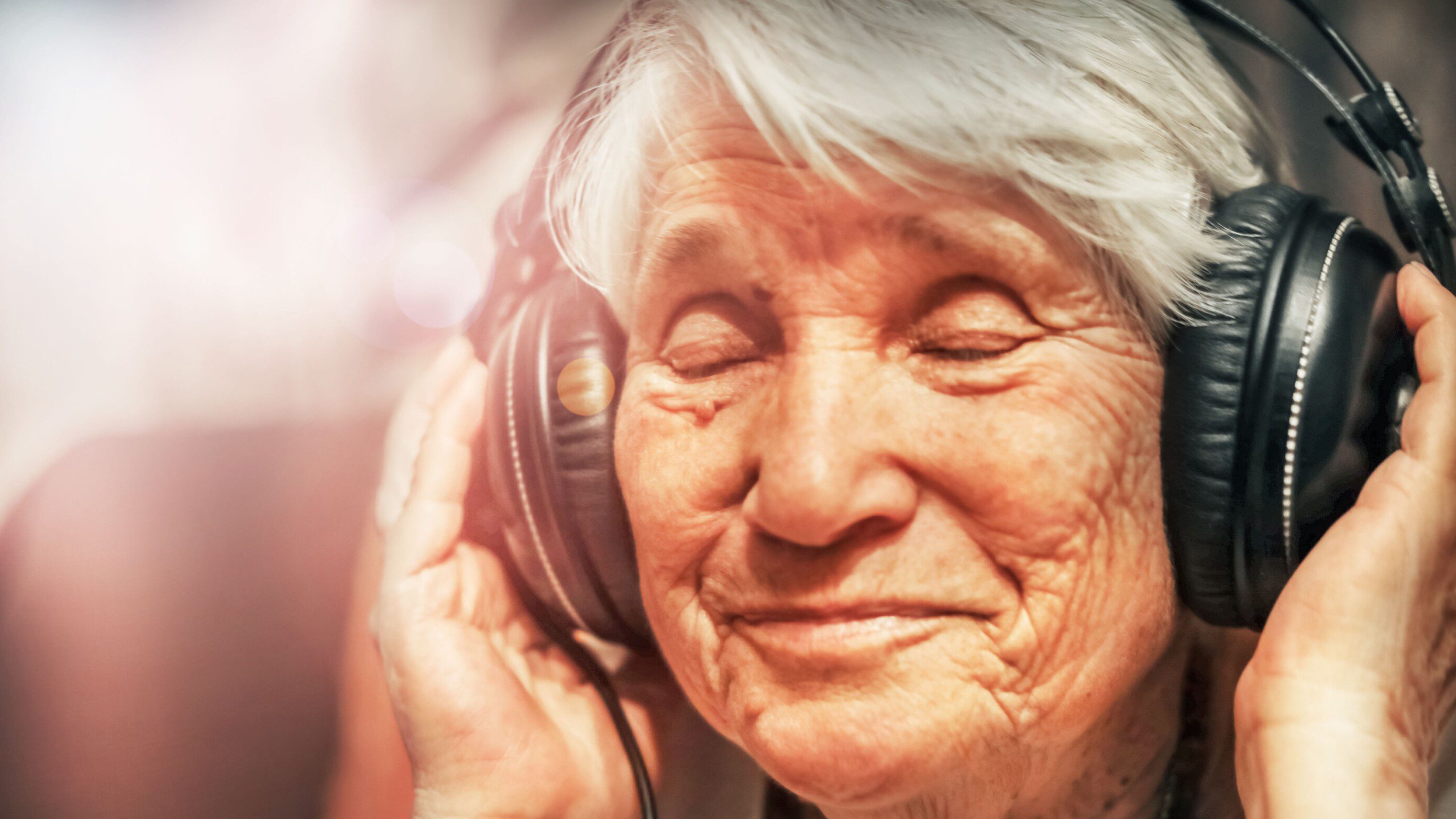
Music therapy is the use of music to improve mental and physical health. It helps people relax, communicate and connect with their emotions. Professional music therapists use singing, musical instruments and listening to music as therapeutic tools. Music therapy is suitable for people of all ages. It is particularly effective for people suffering from stress, anxiety or memory disorders. The client does not need to have any musical ability to benefit from it.
Music soothes the mind and body
Music helps to reduce stress and tension. Calm music slows the heart rate and makes breathing easier. Gentle melodies create a feeling of safety and well-being, which is especially important in hospitals or care facilities.
For example, slow classical music or soft piano pieces can improve sleep. The sounds of nature combined with music also have a calming effect. Even quietly singing a familiar song can help a person who is stressed.
Music brings people together
Music creates a sense of belonging. In social service homes or hospitals, music therapy promotes joint activities. Singing, clapping to the rhythm or playing simple instruments brings people closer together. This form of connection is especially important for lonely or isolated individuals. Music can overcome language barriers or speech problems. Sometimes a shared song says more than words.
Music evokes memories
Music has a strong connection to memory. A favourite song from the past can trigger memories that seemed to have been forgotten. This is especially true for people with dementia or Alzheimer’s disease. When patients hear a familiar tune, they often respond by smiling, moving, or starting to sing. These reactions bring joy to them and their loved ones. Music reaches parts of the brain that other forms of therapy do not reach.
How music therapy takes place
The music therapist first gets to know the client – their musical tastes, personal history and emotional needs. He or she then develops a simple plan that uses music to support the mental or physical state. Common activities include listening to playlists, singing, moving to music or playing simple instruments. The goal is not to perform, but to express feelings and improve well-being. Therapy can be done individually or in a group. It is used in hospitals, social service homes, therapy centres or online.
Easy to use music at home
You can also bring the effects of music therapy home. In the evening, listen to soothing music to relax. Sing with a loved one to improve your mood. Dance to a favorite song for joy and movement. For the elderly, make a playlist with songs from their youth. Play it for them regularly and watch their reactions. They may smile, feel calm, even shed tears – all of these expressions indicate that the music has touched them deeply.
Music therapy in nursing work
Caregivers can use music to more easily establish a relationship and improve the mood of the person they are caring for. A cheerful tune can make getting up in the morning easier. A calm song can soothe during tense situations. At Atena Agency, we teach caregivers to understand the power of music. We encourage them to use music to build closer relationships with their clients. It’s one of the many ways to provide care with heart.
In Atena, we don’t just recruit carers. We support families and workers with education, advice and new ideas. Music therapy is just one of the tools we use to make everyday caregiving more humane and joyful.
If you’re looking for care work or help for a loved one, we’re here for you. With years of experience and an understanding of the needs of both clients and caregivers, we connect those who want to help with those who need it most. Together, let’s change the world for the better.