As people age, their bodies change. This makes them more susceptible to certain health problems. Dehydration and malnutrition are two serious problems that can affect seniors. It is important for family members and caregivers to know their symptoms. Early recognition can prevent more serious health complications.
Understanding dehydration
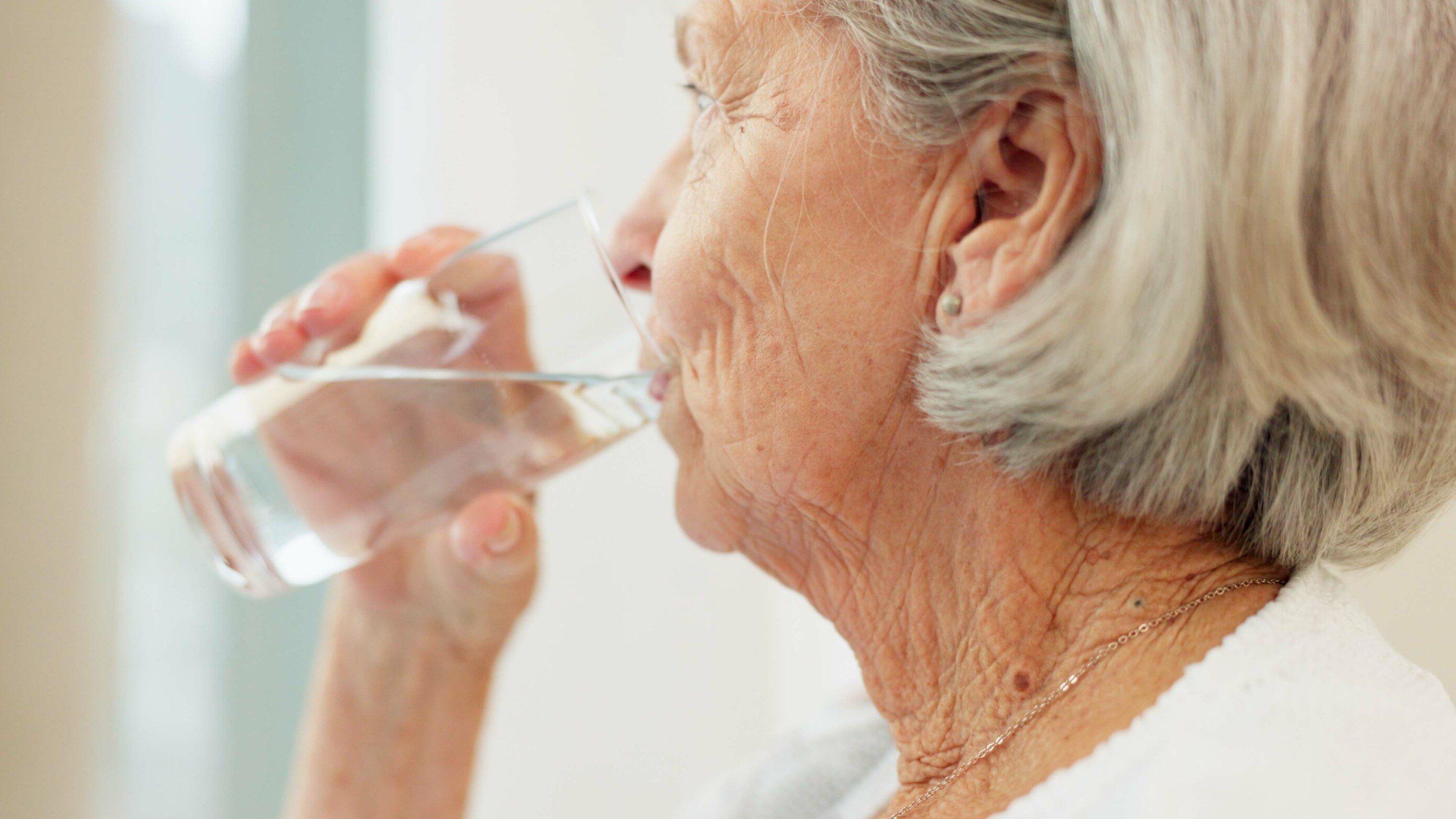
Dehydration occurs when a person loses more fluid than they take in. Older adults are at higher risk. Their sense of thirst often fades with age. Some medications can also increase fluid loss. It’s key to notice the symptoms because a senior may not feel thirsty even though his or her body needs water.
Common symptoms of dehydration include dry mouth, lips and tongue. You may notice that the person urinates less frequently, and when they do, the urine is dark yellow and has a strong odor. Fatigue and dizziness are also common symptoms. In more severe cases, dehydration can lead to confusion, rapid heartbeat, and low blood pressure, which increases the risk of falls. An easy way to check for dehydration is to gently squeeze the skin on the back of your hand; if it doesn’t return to normal right away, it may be a sign of fluid loss.
Recognition of malnutrition
Malnutrition occurs when the body does not get enough nutrients from food. This can occur from not eating enough or eating foods that do not have the necessary vitamins and minerals. For seniors, dental problems, difficulty swallowing, or a decreased sense of taste and smell can make eating difficult or unpleasant. Social factors such as eating alone can also reduce appetite.
Look for signs such as unplanned weight loss. Clothes or jewelry may become loose. The person may seem unusually tired, weak, or may be cold often. Other indicators are slow-healing wounds, frequent illnesses, and brittle hair and nails. Changes in behaviour may also indicate malnutrition. A senior may lose interest in food, feel depressed, or become more irritable and confused. It is a mistake to think that weight loss is a normal part of aging.
How to help
Prevention of these conditions is the key to maintaining health. Encourage regular fluid intake throughout the day. Water is best, but milk, soups and fruit juices can also help. Offer foods with high water content, such as cucumbers, watermelon and oranges. To combat malnutrition, provide nutrient-rich foods. Focus on foods high in protein, vitamins and calories that are easy to chew and swallow. Smaller and more frequent meals may be more appealing than three large ones. Making meals an enjoyable social event can also encourage a better appetite.
Your health and the health of your loved ones are important. Recognizing the first signs of dehydration and malnutrition in the elderly can make a big difference. Taking simple preventative steps will ensure they stay healthy and strong.
In Atena, we understand the challenges associated with caring for aging loved ones. We are committed to providing skilled and compassionate caregivers who can help monitor nutrition, hydration and overall well-being. Contact us to find the support your family needs.